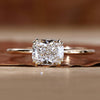
White Gold, Silver or Platinum? The Metal Question Defining Modern Engagement Rings
There was a time when choosing an engagement ring meant choosing the stone. The setting was almost an afterthought. White gold if you wanted something classic. Platinum if you were “serious.” Silver if you were young, experimental, or somewhere between pay checks.
Now, the metal matters just as much as the diamond.
Partly because jewellery has become more personal, but also because the economics of fine jewellery have changed dramatically. Gold prices have surged to historic highs throughout 2025 and into 2026, with analysts and major financial institutions continuing to forecast elevated pricing driven by geopolitical instability, investor demand, and tightening supply.
Which means the conversation around metals is no longer purely aesthetic. It is emotional, practical, and increasingly strategic.
But it is also about upkeep.
Different metals do not just look different when they are new. They age differently. They scratch differently. They change colour differently. Some need regular maintenance to keep their bright finish, while others develop a softer, lived-in character over time.
So if you are choosing between white gold, silver, and platinum, here is what actually separates them and why the decision shapes the entire feeling, longevity, and upkeep of a ring.
White Gold: The Polished Classic
White gold remains the default for a reason. It has the brightness people associate with luxury jewellery, but with a softer warmth underneath that keeps it from feeling too clinical.
Technically, white gold is yellow gold mixed with white alloys like palladium or silver, then finished with rhodium plating for that crisp, luminous white finish. The result is polished, versatile, and quietly expensive looking.
It is also the metal most engagement rings are designed around.
Oval solitaires. Hidden halos. East–west settings. Antique cuts with modern proportions. White gold gives all of them a clean editorial quality that feels timeless without being traditional in a rigid sense.
But white gold does need upkeep.
Because its bright white surface usually comes from rhodium plating, the colour can soften over time as that plating gradually wears away. This does not mean the ring is damaged. It simply means the natural tone of the white gold underneath may start to show through, often appearing slightly warmer or creamier than when the ring was new.
How quickly this happens depends on the wearer. Everyday rings, especially engagement rings, come into contact with hands, water, skincare, cleaning products, and general daily friction. Over time, high-contact areas like the base of the band and the sides of the setting will usually show wear first.
For many people, this is easily managed with occasional replating and professional cleaning. White gold is still a beautiful and practical choice for engagement rings, but it is not completely maintenance-free. It looks its brightest when it is cared for.
The rising price of gold has also changed how people approach it.
As gold prices continue climbing globally, the cost difference between white gold and alternative metals has become much more noticeable than it was even a few years ago. Analysts across the market continue projecting elevated gold prices through 2026 due to central bank demand, geopolitical uncertainty, and supply constraints.
That does not make white gold less desirable. If anything, it has made it feel more intentional.
Choosing white gold now feels less like the automatic option and more like choosing a specific type of luxury: refined, classic, and enduring, with a little upkeep built into the story.
White Gold is Best for:
- Timeless engagement ring styles
- Bright, polished finishes
- Those wanting a luxury feel without the weight of platinum
- Modern bridal aesthetics
- People happy with occasional maintenance
Silver: The Cool-Girl Metal
Silver has quietly re-entered the conversation.
Not because it suddenly became the ideal metal for engagement rings, but because fashion changed. Jewellery became less formal. More layered. More expressive. Less concerned with permanence and more interested in personal style.
Sterling silver especially has that effortless quality white gold sometimes tries too hard to achieve. It feels relaxed. Slightly undone. Very fashion-editor-off-duty.
And in a market where gold prices continue rising sharply, silver has become increasingly attractive to buyers wanting the white-metal look without the financial leap. Demand for silver jewellery has grown alongside rising gold costs, particularly as consumers search for more accessible alternatives.
But silver behaves very differently from white gold and platinum.
It is softer, which means it scratches, bends, and marks more easily over time. It also naturally tarnishes, so its colour can darken or dull if it is exposed to air, moisture, lotions, perfumes, or everyday wear. This can often be polished away, but it does mean silver needs more regular cleaning if you want to keep that bright, fresh finish.
For fashion jewellery, that is part of the charm. A silver dress ring can feel relaxed, expressive, and easy to wear. It is perfect for pieces you want to style, stack, rotate, or wear as part of a trend-led jewellery wardrobe.
For engagement rings, however, silver is usually not the strongest long-term choice.
An engagement ring is worn constantly. It needs to hold its shape, protect the stone, and withstand years of everyday wear. Because silver is softer and more prone to tarnishing and surface wear, it generally requires more care and is less suited to rings designed to be worn every day for decades.
That does not make silver less beautiful. It simply gives it a different role.
Silver is at its best when it is used for fashion rings, dress rings, stacking pieces, sculptural designs, and occasional jewellery. It gives you the cool white-metal look without the commitment or cost of gold or platinum, and it allows for more playful styling.
Think:
- Chunky signet rings
- Organic textures
- Sculptural jewellery
- Minimalist stacks
- Fashion-first styling
- Statement dress rings
Silver is less “future heirloom,” more “personal signature.” Which, for a lot of people right now, is exactly the point.
Silver is Best for:
- Fashion jewellery and layering
- Dress rings and statement pieces
- Minimalist styling
- Budget-conscious buyers
- Trend-led aesthetics
- Occasional wear rather than lifelong daily wear
Platinum: Quiet Luxury in Metal Form
Platinum does not sparkle brighter. It does not look dramatically different from white gold to the untrained eye. In fact, most people could not tell them apart immediately.
But platinum has presence.
It is denser, heavier, and naturally white, meaning it does not require rhodium plating to maintain its colour. Unlike white gold, platinum does not need to be replated to stay white, which makes it especially appealing for people who want a lower-maintenance white metal for an engagement ring.
Over time, platinum develops a soft patina. Rather than staying mirror-bright forever, the surface slowly becomes more satin-like with wear. Some people love this because it gives the ring a beautiful, lived-in heirloom quality. Others prefer to have it professionally polished to restore a brighter finish.
The important difference is that platinum does not lose its whiteness in the same way plated white gold can. Its colour remains naturally white, even as the surface texture changes.
Platinum also wears differently. When it scratches, the metal is displaced rather than worn away as quickly. This is part of why platinum is so valued for engagement rings and fine jewellery that need to hold stones securely over a long period of time.
If white gold feels polished, platinum feels permanent.
There is a reason it has become synonymous with high jewellery and heirloom engagement rings. It holds stones exceptionally securely, wears slowly, and carries a certain understated confidence. The kind of luxury that does not need to announce itself.
Ironically, as gold prices rise, the gap between white gold and platinum has narrowed in some jewellery categories, making platinum feel increasingly justifiable for buyers already investing at the higher end of the market.
And aesthetically, platinum works especially well with:
- Emerald cuts
- Antique cuts
- Large solitaires
- Architectural settings
- Minimal, sculptural designs
It is less trend-driven and more permanence-driven.
Platinum is Best for:
- Everyday engagement rings
- Long-term durability
- Heirloom-style jewellery
- Minimal and architectural settings
- Those wanting a naturally white metal with less colour maintenance
So Which Metal Feels Most “You”?
The real difference between white gold, silver, and platinum is not just durability or price. It is mood, maintenance, and how you want the ring to age.
White gold feels polished and timeless, but it may need rhodium replating over time to maintain its bright white finish.
Silver feels effortless and expressive, but it scratches and tarnishes more easily, making it better suited to fashion rings, dress rings, and occasional wear rather than engagement rings.
Platinum feels quiet, permanent, and deeply considered. It develops a soft patina, but its colour stays naturally white, making it one of the strongest choices for everyday engagement rings.
And increasingly, people are choosing based on identity rather than tradition.
Because modern fine jewellery is no longer about following one formula of luxury. It is about choosing the material that reflects how you actually want your jewellery to feel, and how you want it to wear, over time.
Explore contemporary engagement rings, antique-inspired settings, fashion dress rings, and refined modern silhouettes with Diamondrensu, and discover the metal that reflects your version of timeless style.